
Developmental and Reproductive Toxicology (DART)
Make safer, faster decisions with human relevant screening and full in vivo programs - now including devTOX quickPredict™
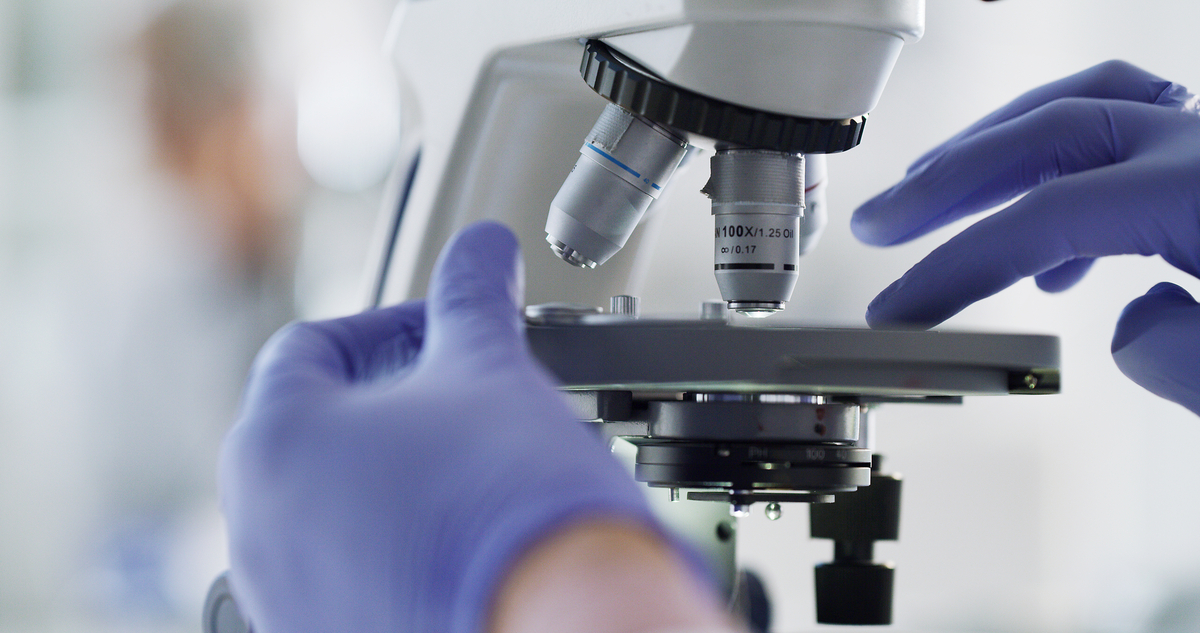
Make faster, clearer decisions with integrated in vitro NAMs, GLP in vivo studies in small and large animals, and specialized nonhuman primate (NHP) capabilities. Our senior DART scientists align study design, endpoints, and timelines with your regulatory strategy—reducing surprises and strengthening data packages.
small-model DART studies conducted annually

pregnant NHP studies and 25+ e(P)PND programs completed

dedicated neurobehavioral science support

stable, enriched rodent and rabbit facilities

with EU‑compliant housing and enrichment across key sites

Learn more about our Culture of Care
devTOX quickPredict provides rapid, human‑relevant developmental toxicity insight using a pluripotent stem‑cell assay and the quantitative ornithine/cystine ratio (O/C) metabolic biomarker. It supports early candidate prioritization and stronger weight‑of‑evidence packages while aligning with ICH S5(R3) to inform, defer, or replace one of two required species in EFD studies.
Quantitative exposure‑based thresholds
Human‑relevant metabolic insight
Clear early screening signals
Support for reduced‑species EFD strategies under ICH S5(R3)
Labcorp’s integrated pathway supports early NAM insights to directly inform downstream study design, reducing handoffs, and accelerating IND-enabling plans.
Gain early insight into developmental toxicity with devTOX quickPredict, a human pluripotent stem‑cell assay that measures metabolic shifts using the O/C biomarker.
Quantitative, exposure‑based thresholds help prioritize candidates or substances and guide downstream DART planning before in vivo studies
Your SEG II study is pivotal for regulatory labeling. We provide:
Access the expertise and resources needed to evaluate juvenile neurobehavioral endpoints in NHPs, rodents, and rabbits, including:
Evaluate functional consequences of mid‑to‑late gestational exposure with optimized study designs that use fewer NHP models. This is particularly valuable for biologics such as monoclonal antibodies.
Pediatric safety assessment now carries significant regulatory expectations. Labcorp provides:
We help determine the most appropriate, cost‑effective, and socially responsible study design before you begin.
Implement advanced techniques across species—including challenging reproductive and developmental models—with specialists focused on accurate delivery, minimal stress, and high‑quality data.
Core capabilities: Intravenous bolus/continuous infusion, SC/IP microinfusion, programmable/osmotic pump implantation, maternal surgical support (e.g., catheterization, automated dosing), neonatal/juvenile dosing, and precise dose placement in sensitive developmental windows.
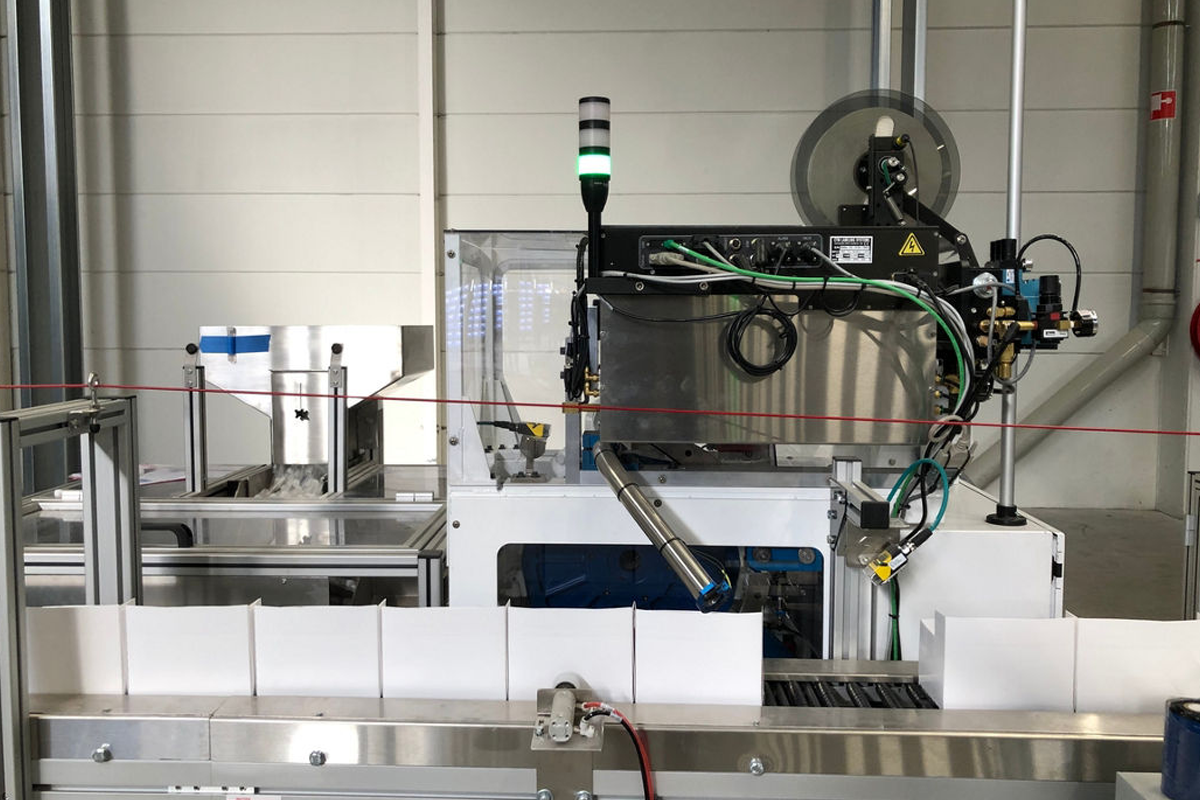
This provides high‑resolution, nondestructive evaluation of fetal morphology and skeletal development in rodent and rabbit models, with optional NHP applications. High-resolution images enhances classical teratology endpoints by enabling rapid 3D assessment, quantification of subtle changes, and comprehensive skeletal/soft‑tissue visualization while preserving samples.

Dedicated in‑house neurobehavioral science provides consistent methods, scientific rigor, and deeper interpretation across juvenile and PPND programs—covering cognitive development, reflex/sensory maturation, motor coordination, and behavioral phenotypes across developmental stages.